Introduction
In the world of construction and contracting, payment bonds play a crucial role in ensuring that all parties involved are protected. Whether you're a contractor, subcontractor, or supplier, understanding payment bonds is essential for navigating the complexities of project financing and risk management. This article delves deep into the realm of payment bonds, exploring their purpose, how they function, and what you need to know to ensure you’re safeguarded in your contractual agreements.
What is a Payment Bond?
Defining Payment Bonds
A payment bond is a type of surety bond that guarantees payment to subcontractors, suppliers, and laborers associated with a construction project. Essentially, it acts as a financial assurance provided by the contractor to ensure that all obligations under the contract will be met.
Who Issues Payment Bonds?
Payment bonds are typically issued by surety companies. These companies assess the financial stability and credibility of contractors before issuing a bond. They serve as an intermediary between project owners and contractors.
Why Do You Need a Payment Bond?
The necessity for a payment bond stems from the inherent risks within construction projects. By securing this bond, project owners can mitigate risks related to non-payment claims from subcontractors and suppliers.
The Legal Framework Surrounding Payment Bonds
Understanding the Miller Act
In the United States, the Miller Act mandates that federal construction projects exceeding $150,000 must have both performance and payment bonds. This act protects subcontractors and suppliers by providing a legal avenue for them to claim unpaid dues.
State-Specific Regulations
While the Miller Act governs federal projects, many states have their own laws regulating payment bonds for state-funded projects. It’s important to familiarize yourself with your state's specific requirements.
How Do Payment Bonds Work?
The Process of Obtaining a Payment Bond
Application: Contractors seeking a bond will submit an application detailing their financial standing. Underwriting: The surety company assesses risk based on credit history, financial statements, and project scope. Issuance: Once approved, the surety company issues the bond outlining its terms.Payment Bond Claims Process
If a contractor fails to pay subcontractors or suppliers:
The unpaid party files a claim against the bond. The surety investigates the claim. If valid, they compensate the claimant up to the bond amount before seeking reimbursement from the contractor.Key Benefits of Payment Bonds
Ensured Financial Protection for Subcontractors
One of the primary advantages of payment bonds is that they provide assurance that subcontractors will receive compensation for their work.
Improved Project Credibility
For contractors, obtaining a payment bond demonstrates reliability and professionalism, enhancing their reputation in competitive bidding situations.
Common Misconceptions About Payment Bonds
“Payment Bonds Are Just Another Expense”
While it may seem like an additional cost at first glance, think about it as an investment in securing trust within your business relationships.
“Only Large Projects Require Payment Bonds”
Many people believe only large-scale projects necessitate these bonds; however, even smaller contracts can benefit significantly from them.
Understanding Payment Bonds: What You Need to Know About Types of Payment Bonds
Types of Payment Bonds in Construction Projects
Contractor’s License Bond: Ensures compliance with local regulations. Performance Bond: Guarantees completion of project as per contract specifications. Maintenance Bond: Covers repairs after project completion.Choosing the Right Type for Your Needs
Each type serves different purposes; understanding which one aligns with your needs can save you time and resources down the line.
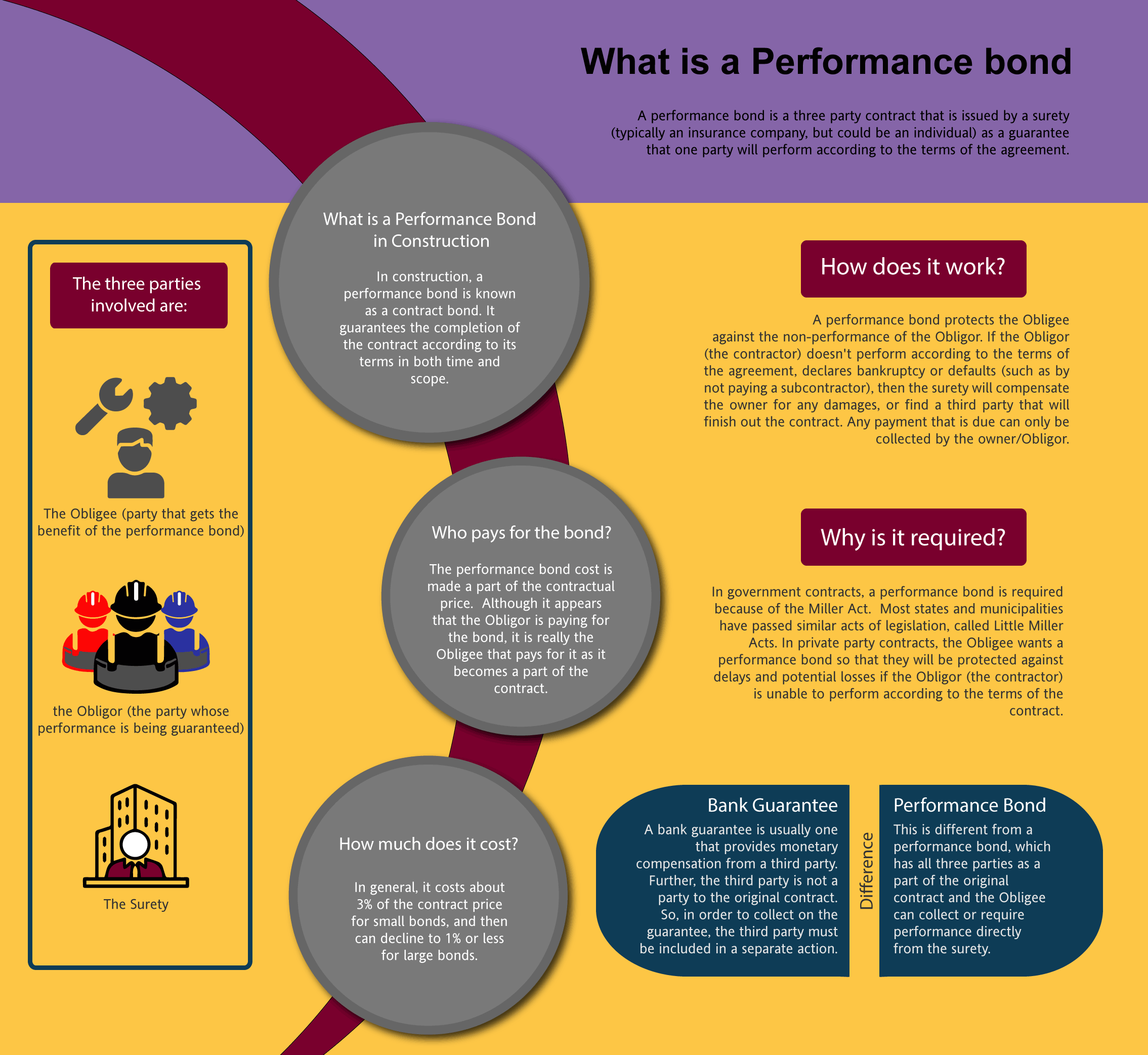
Steps to Secure a Payment Bond Effectively
Assess your bonding capacity based on prior projects. Gather necessary documents demonstrating financial health. Research reputable surety companies specializing in your field. Compare rates and terms before making your choice.Calculating Costs Associated with Payment Bonds
Factors Influencing Cost of Payment Bonds
- Project size Contractor's credit history Type of work being performed
| Factor | Description | |----------------------|-------------------------------------| | Project Size | Larger projects generally incur higher premiums | | Credit History | A better credit score reduces costs | | Type of Work | Specialized work may require more coverage |
Potential Risks Without a Payment Bond
Without securing a payment bond:
- Subcontractors risk not getting paid for completed work. Project delays may occur due to financial disputes. Contractors could face legal ramifications if claims arise from non-payment issues.
Frequently Asked Questions (FAQs)
What Happens if My Claim on a Payment Bond is Denied?
If denied, you can appeal through additional documentation or seek legal advice regarding potential recourse options against both contractor and surety company.
Are All Contractors Required to Obtain Payment Bonds?
Not necessarily; requirements depend on state laws and specific project stipulations set forth by project owners or municipalities.
How Does One File A Claim Against A Payment Bond?
To file:
Notify both contractor and surety company about unpaid dues. Provide proof such as invoices or contracts showing entitlement to payments due under terms agreed upon initially.Can I Change Surety Companies After Securing A Bond?
Yes! However changing companies mid-project often involves notifying current provider while ensuring new one meets necessary criteria beforehand without disrupting financing processes already underway!
Do I Need A Lawyer To Help With Filing A Claim On My Bond?
While not mandatory but hiring professional legal counsel familiarizes you effectively about nuances within each case ensuring maximum chances receiving what rightfully belongs!
Conclusion: Understanding Your Rights With Payment Bonds Matters!
Navigating complex waters around construction agreements requires understanding intricacies concerning performance bonds various aspects including understanding payment bonds! As such safeguarding interests via these instruments enables smoother transactions helping maintain trust amongst all parties involved leading towards successful completions ultimately benefitting everyone at end!
In conclusion—understanding payment bonds: what you need to know—helps create robust relationships whilst facilitating efficient operations across board allowing everyone win understanding performance bonds big!