Introduction
When it comes to financing projects, managing risks, and ensuring that contractual obligations are met, bonds play a crucial role. Among the myriad of bond types available in the financial sector, the bank performance bond stands out for its unique features and benefits. But is it the right choice for you? In this comprehensive guide, we will delve deep into the world of bonds, compare different types, and ultimately provide clarity on whether a bank performance bond is suitable for your needs.
Understanding Bonds: The Basics
Bonds are essentially contracts between a borrower and an investor. They serve as a means of raising capital while providing security to investors. Here's a closer look:
What Are Bonds?
A bond represents a loan made by an investor to a borrower (typically corporate or governmental). When you purchase a bond, you're lending money in exchange for periodic interest payments and the return of the bond's face value at maturity.
Key Components of Bonds
- Face Value: The amount paid back to the bondholder at maturity. Coupon Rate: The interest rate that the issuer pays to the bondholders. Maturity Date: The date when the principal amount is returned to the investors. Issuer: The entity that issues the bond (government or corporation).
Types of Bonds Available
In exploring "Comparing Different Types of Bonds: Is a Bank Performance Bond Right for You?", it's essential to understand various categories of bonds available in today’s market.
Government Bonds
What Are Government Bonds?
Government bonds are issued by national governments. They are considered low-risk since they are backed by government revenue.
Benefits of Government Bonds
- Low default risk Steady income stream Tax advantages in some jurisdictions
Corporate Bonds
Defining Corporate Bonds
These are issued by companies looking to raise funds. They come with higher risks compared to government bonds but also offer higher returns.
Risk Factors
- Credit risk based on company performance Interest rate fluctuations
Municipal Bonds
Understanding Municipal Bonds
Issued by local governments or their agencies, these bonds can provide tax-free interest income.
Why Choose Municipal Bonds?
Investors in high tax brackets often favor these due to their tax-exempt status.
High-Yield (Junk) Bonds
What Are High-Yield Bonds?
These bonds offer higher returns but come with increased risk due to lower credit ratings.
Considerations Before Investing
Investors should weigh potential returns against credit risk and market volatility.
Bank Performance Bond: An Overview
In our exploration of "Comparing Different Types of Bonds: Is a Bank Performance Bond Right for You?", it’s time to focus on what makes bank performance bonds distinct from other types.
Defining Bank Performance Bond
A bank performance bond is a type of surety bond that guarantees contract completion. If one party fails to fulfill their contractual obligations, this bond compensates the other party.
Key Features of Bank Performance Bonds
Guarantees project completion. Protects against contractor default. Often required for public contracts.How Does a Bank Performance Bond Work?
Understanding how these bonds operate can clarify their significance in various sectors.
The Process Explained
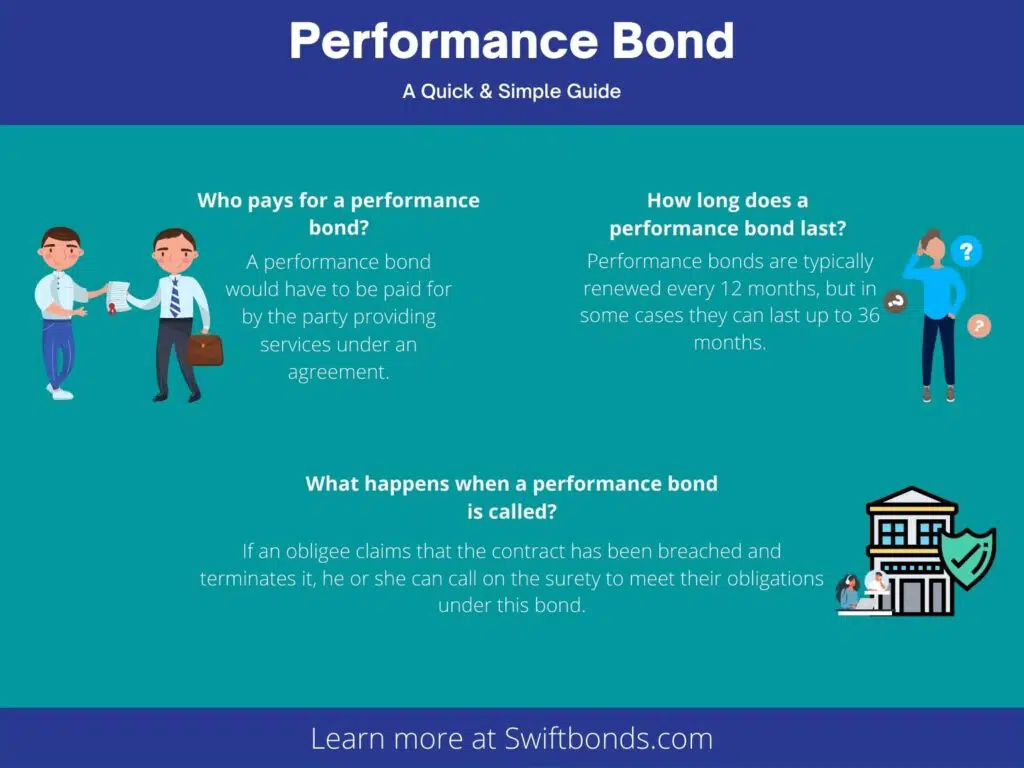
A contractor secures a bank performance bond before starting work on a project. If they fail to meet contractual obligations (like delays or subpar work), the affected party can claim against the bond. The bonding company compensates up to the agreed limit, providing financial security.Advantages of Using Bank Performance Bonds
Now that we’ve established what a bank performance bond entails, let’s look at its advantages:
1. Financial Security for Project Owners
By requiring contractors to secure these bonds, project owners can mitigate risks associated with non-performance or incomplete work.
2. Enhancing Credibility and Trustworthiness
Contractors who obtain these bonds demonstrate reliability and commitment, making them more appealing in competitive bidding situations.
3. Facilitating Access to Larger Projects
Many large-scale public projects mandate these types of bonds as part of their procurement process.
Disadvantages Associated with Bank Performance Bonds
While there are clear benefits, it's vital also to consider potential downsides:
1. Costs Involved
Securement fees can be substantial depending on project size and complexity; thus affecting overall project budgets.
2. Complexity in Claims Process
The claims process can sometimes be lengthy and complicated, which might delay reimbursements when defaults occur.
Comparing Different Types of Contracts: Where Does Bank Performance Bond Fit?
Before choosing any type of contract or guarantee mechanism, understanding where each fits into your broader business strategy is crucial:
| Type | Risk Level | Typical Use Cases | |----------------------------|----------------|--------------------------------| | Government Bonds | Low | Infrastructure projects | | Corporate understanding swiftbonds Bonds | Moderate | Business expansions | | Municipal Bonds | Low/Moderate | Local development initiatives | | High-Yield Bonds | High | Speculative investments | | Bank Performance Bond | Moderate | Construction contracts |
Frequently Asked Questions (FAQs)
As we delve deeper into "Comparing Different Types of Bonds: Is a Bank Performance Bond Right for You?", here are some frequently asked questions related to this topic:
1. What is typically covered under a bank performance bond?
A bank performance bond covers financial losses incurred if the contractor fails to meet project specifications or deadlines stipulated in their contract.
2. Who typically requires a bank performance bond?
Generally speaking, public agencies and large private businesses require them when awarding contracts—especially those involving construction or significant investments.
3. How much does it cost to obtain a bank performance bond?
The cost varies widely based on factors such as project size, industry standards, and creditworthiness but can range from 0.5% - 3% of the total contract amount.
4. Can I get my money back after claiming against a bank performance bond?
Typically not; once you claim against it due to contractor failure, those funds compensate your loss rather than being returned to you directly unless otherwise stipulated in your agreement with the bonding company.
5. How long does it take for claims processing?
Claims processing duration varies significantly based on complexity but may take several weeks or even months in some cases before resolution occurs!
6. Do private companies issue their own bank performance bonds?
No; only licensed surety companies or banks provide these instruments designed explicitly as guarantees concerning contract completion!
Conclusion
In answering "Comparing Different Types of Bonds: Is a Bank Performance Bond Right for You?", it's clear that while many options exist within financial instruments like bonds—each serving unique purposes—a bank performance bond provides invaluable protection specifically tailored towards ensuring contractual compliance among parties involved in projects requiring significant investment or effort!
Whether you're considering entering into construction agreements or other sizable ventures isn't merely about choosing any old guarantee; rather analyzing how effective securities fit within specific contexts becomes paramount!
Ultimately understanding both advantages coupled alongside disadvantages aids decision-makers toward informed choices leading successful outcomes—ensuring smooth sailing ahead!